

This concise naruto summary promises a clear, witty road map through episodes labeled Part 1–50. You'll get an accessible recap that balances episode-by-episode fidelity with thematic notes on friendship, rivalry, and the early worldbuilding that sets Naruto apart.
Expect a naruto saga summary that points out key battles, character beats, and the moments that push Naruto Uzumaki, Sasuke Uchiha, and Sakura Haruno forward. This naruto part 1-50 summary is organized to prepare readers for deeper arcs in Naruto Shippuden while standing on its own as a reliable refresher.
Key Takeaways
- Complete Summary of Naruto: Part 1-50 highlights major plot beats and character introductions.
- Concise naruto summary format balances episode detail with thematic analysis.
- Naruto saga summary focuses on early growth, rivalry, and mission-driven stakes.
- Naruto part 1-50 summary prepares readers for later arcs without spoiling future revelations.
- Useful for newcomers and returning fans who want a quick refresher before diving back in.
Complete Summary of Naruto: Part 1-50
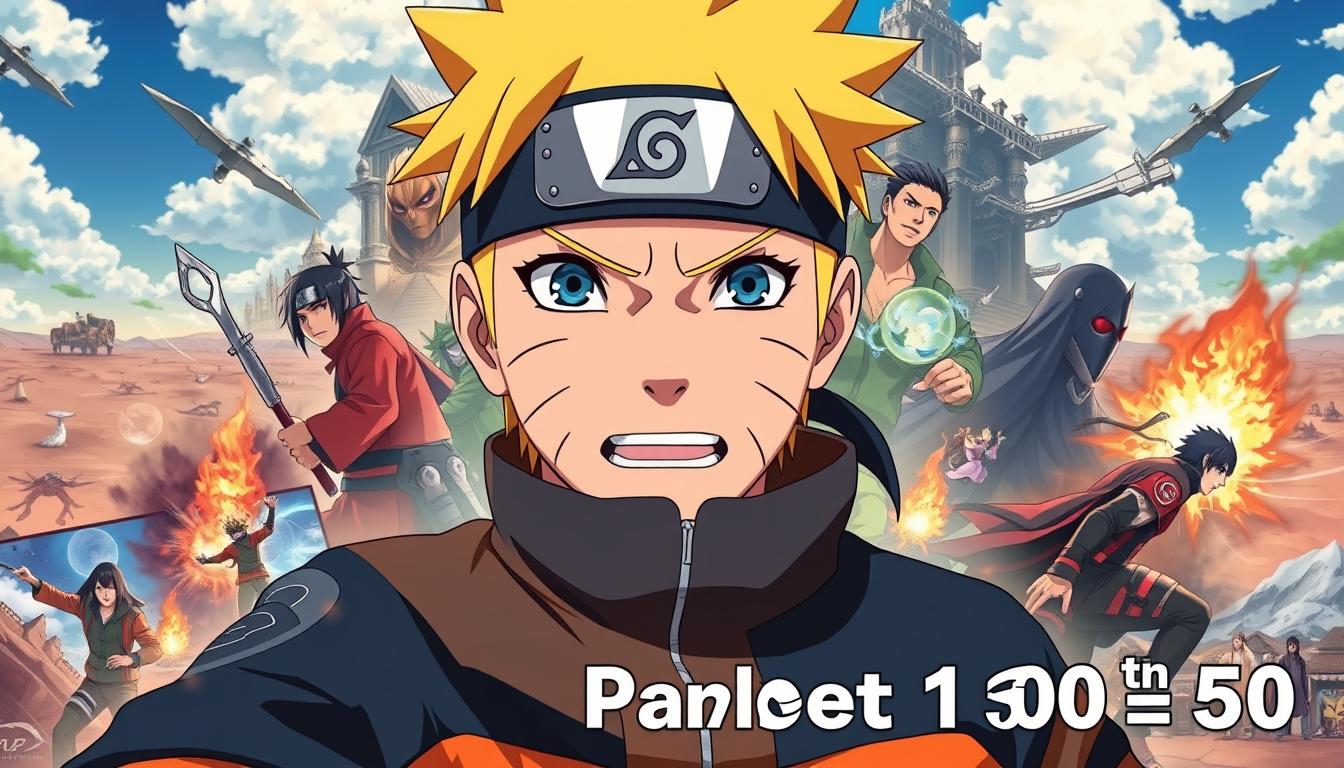
This compact primer lays out the aim and structure of a complete summary of naruto: part 1-50. It trims the story to its spine, flags turning points, and explains why characters act as they do. The result works as a refresher for fans and a quick primer for newcomers who want the naruto detailed recap without watching every episode.
Scope and purpose of this recap
The guide summarizes narrative beats and identifies pivotal moments across episodes 1–50. It covers anime episodes and notes where key manga scenes align or diverge. Use this naruto episodes summary to follow plot progression, track motivations like Naruto Uzumaki’s drive and Sasuke Uchiha’s obsession, and spot the fights that shift the saga.
How to use this episode-by-episode guide
Episodes are grouped into mini-arcs to make skimming easier. Each group highlights must-watch episodes and flags filler versus canon. Readers can skim for major battles, deep-read for character arcs, or use the naruto episode guide as prep before Sasuke Retrieval and Naruto: Shippuden.
What counts as Part 1-50 in this summary
This naruto detailed recap includes anime episodes numbered Parts 1–50 and mentions equivalent manga chapters when relevant. Filler outside that range is excluded unless it directly affects character growth or key events. Notes call out adaptation choices where the anime diverges from Masashi Kishimoto’s manga, so readers know when scenes are anime-only or faithful to the source.
Overview of the Naruto main storyline
The shinobi world in Naruto blends small-village charm with high-stakes politics. Konohagakure stands front and center as the primary setting where missions, rank promotions, and chakra training shape young ninjas. Chakra serves as the core energy system that fuels jutsu, while the genin, chunin, and jonin ranks mark skill and responsibility. Hidden Villages such as Sunagakure and Otogakure play key roles in regional balance, and tailed beasts like the Nine-Tails loom as legendary forces.

Setting and ninja world basics
Villages send teams on missions that fund and protect their people. Political tension rises when alliances shift or when rogue ninjas appear. Academy lessons teach hand seals and survival, while real danger arrives during field assignments. The ranking system creates clear goals for characters and frames many conflicts in the naruto story overview.
Core themes: friendship, rivalry, and perseverance
Naruto’s drive centers on recognition and belonging. Ostracized by his village because of the Nine-Tails, he vows to earn respect through hard work. Team 7’s bonds—Naruto, Sasuke, and Sakura—push emotional choices and moral tests. Rivalry with Sasuke fuels both growth and pain, while friendship tethers characters to better paths. These themes appear repeatedly in any naruto plot summary and inform motives across arcs.
How Part 1-50 fits into the larger Naruto saga
Parts 1–50 lay the groundwork for everything that follows. Early scenes introduce origin stories, the formation of Team 7, and the Chunin Exams. Key betrayals and escalating stakes seed the Sasuke defection and later retrieval arc. Events here plant long-term threads that Naruto Shippuden later expands, making this span essential for readers seeking a concise naruto main storyline overview.
| Element | Description | Why it matters |
|---|---|---|
| Setting | Konohagakure, neighboring villages, mission system | Frames political and social conflict that drives character choices |
| Chakra & Jutsu | Energy mechanics, hand seals, signature techniques | Defines combat rules and growth paths for ninjas |
| Core Themes | Friendship, rivalry, perseverance | Shapes motivations and moral lessons throughout the story |
| Part 1-50 Highlights | Origin arcs, Team 7 formation, Chunin Exams, early betrayals | Seeds major conflicts and sets tone for Naruto’s larger saga |
| Major Factions | Konohagakure, Sunagakure, Otogakure, and rogue groups | Creates alliances and rivalries that escalate into full-scale wars |
Early character introductions and team formation
The opening episodes set the stage for character work that drives the naruto story outline. Young shinobi appear with clear wants and wounds, which create tension and humor. This section focuses on how personalities meet, clash, and bind into a team that will carry the plot forward.

Naruto Uzumaki’s origin and motivations
Naruto Uzumaki arrives as an orphan marked by Kurama, the Nine-Tails. The village shuns him, which leaves him hungry for recognition. He pulls pranks, but those antics hide deep loneliness and steady hope.
His goal to become Hokage springs from a wish to belong and to protect friends. That mix of stubborn optimism and raw emotion shapes early beats in every naruto character analysis of the series.
Team 7 dynamics: Sasuke Uchiha and Sakura Haruno
Team 7 starts as a classic uneven trio. Sasuke Uchiha is calm, gifted, and driven by revenge after the Uchiha tragedy involving Itachi. Sakura Haruno appears earnest and bookish, with a strong crush on Sasuke.
These early interactions spark conflict. Naruto’s jealousy fuels competition. Sakura’s focus on Sasuke adds emotional friction. Scenes that show their rivalry and cooperation form core elements of any naruto team 7 dynamics write-up.
Kakashi Hatake as mentor and mystery
Kakashi Hatake acts as a steady counterpoint. He seems relaxed, yet his Sharingan and copy-ninja reputation hint at a complex past. He sets tests like the Bell Test to teach teamwork over raw power.
His lessons are tactical and moral. He nudges the trio to think and fight as one, providing structure that anchors the early naruto character introductions and the broader naruto story outline.
| Character | Core trait | Early motivation | Impact on Team 7 |
|---|---|---|---|
| Naruto Uzumaki | Unyielding optimism | Recognition, becoming Hokage | Drives morale, fuels rivalry with Sasuke |
| Sasuke Uchiha | Cold ambition | Revenge against Itachi | Creates tension, motivates training |
| Sakura Haruno | Determined learner | Emotional attachment, competence | Acts as emotional center, grows into fighter |
| Kakashi Hatake | Calm strategist | Protecting team, secret past | Shapes teamwork and tactical thinking |
Major early arcs and plot setup
The opening arcs set the tone for the entire naruto saga recap. These chapters move from small missions to life-changing tests, giving Naruto, Sasuke, and Sakura their first real trials. The events sketch danger, loyalty, and the cost of being a ninja in clear strokes.

Land of Waves mission and its stakes
The Team 7 escort mission to the Land of Waves surprises with adult-level stakes. Assigned to protect Tazuna, a bridge builder, the team meets Zabuza Momochi and Haku, two opponents who force quick growth.
Encounters on the bridge test teamwork under mortal peril. Naruto and his teammates learn that missions can mean sudden loss and hard choices. The Land of Waves sequence serves as a compact naruto plot breakdown of how friendship and duty collide.
Chunin Exams: structure and significance
The Chunin Exams unfold in three clear stages. First comes the written test with a hidden trick meant to spot more than book smarts. Next is the forest survival phase where tactics and trust get probed. The final stage delivers one-on-one tournament fights in Konoha that reveal skill and character.
As a narrative engine, the Exams introduce many faces who matter later. Rivals, allies, and politics appear in a concentrated naruto part 1-50 recap that shows how contests shape careers and hearts.
Key early villains and their motives
Zabuza appears as a rogue driven by survival and a mercenary code. His cold professionalism hides a rough past. Haku follows with tragic devotion, bending his life to loyalty and a warped sense of purpose.
Orochimaru operates in shadow with experimental goals and long-term designs. Sound Village operatives and other exam-era threats play parts for revenge, power, or manipulation. These motives create a varied naruto events breakdown that fuels conflict and growth.
| Arc | Primary Threats | Main Stakes | Why it matters to the saga |
|---|---|---|---|
| Land of Waves | Zabuza Momochi, Haku | Survival, first real loss, teamwork test | Proves ninja life is harsh; matures Team 7 |
| Chunin Exams – Written | Examiners, hidden traps | Intellect and composure under pressure | Introduces trick questions and village politics |
| Chunin Exams – Forest | Rogue ninjas, spies | Tactical survival, alliance shifts | Builds rivalries and reveals strategies |
| Chunin Exams – Tournament | Multiple competitors, Orochimaru influence | Skill showcase, public consequences | Sets stage for major betrayals and plots |
| Exam-era Antagonists | Orochimaru, Sound ninjas | Political manipulation, experimentation | Seeds future arcs and long-term conflicts |
Chunin Exams and the rise of stakes
The Chunin Exams mark a turning point in the narrative. They shift the pace from training drills to real danger and force characters to show who they really are. This portion of the story delivers a compact naruto plot overview that prepares readers for escalating conflict.

The notable matches during the exams create memorable moments that define character arcs. Rock Lee vs. Gaara showcases raw determination facing a lethal power. Sasuke’s clashes with Gaara highlight the cost of rescue missions and friendship. Naruto’s strategic wins display growth that matters in the larger naruto key moments summary.
Each bout serves as a snippet of the naruto important battles list. Judges and spectators react as tactics, stamina, and willpower decide outcomes. These fights reveal weaknesses opponents will later exploit and set up emotional stakes for later episodes.
Orochimaru’s interference surprises the village and leaves a lasting mark. His infiltration during the exams is subtle at first, then brutal. The curse mark placed on Sasuke becomes a symbol of temptation and pain. That act is central to any naruto key events recap focused on character turning points.
Orochimaru’s motives are clinical: evaluate talent and recruit powerful hosts. The psychological impact on Sasuke grows over time. The curse mark changes training approaches, battle tactics, and Sasuke’s inner life in the naruto plot overview context.
The invasion of Konoha brings all threads to a head. Orochimaru teams with the Sand under false pretenses to strike the village. The assault culminates in the Third Hokage’s death, a shock that ripples across the entire cast. Immediate fallout includes political unease, grief, and a hardened resolve among surviving ninjas.
That invasion counts as one of the most significant entries in any naruto important battles roundup. It forces leaders to rethink security and prompts characters to make risk-filled choices. The event nudges Sasuke toward a darker path as he seeks power by any means necessary.
| Moment | What Happens | Long-term Effect |
|---|---|---|
| Rock Lee vs. Gaara | Lee’s taijutsu vs. Gaara’s sand defense; Lee shows extreme resolve | Raises stakes for physical combat; inspires others to push limits |
| Sasuke vs. Gaara | Sasuke attempts rescue and faces Gaara’s ruthless power | Exposes Sasuke’s vulnerabilities and need for greater strength |
| Naruto’s tactical wins | Naruto uses cunning and shadow clones to win key matchups | Establishes Naruto as a rising force in naruto key moments summary |
| Orochimaru’s curse mark | Orochimaru brands Sasuke with a power-altering seal | Drives Sasuke’s inner conflict and future choices |
| Invasion of Konoha | Coordinated attack leads to major casualties and the Third Hokage’s death | Political instability and a hardened focus on revenge and power |
Character development highlights across episodes

Part 1-50 offers a tight naruto story recap that lays the groundwork for deep personal changes. Small scenes add up, shaping how fans remember each hero and villain. This section traces key turning points in brief, readable chunks.
Naruto’s growth as a ninja and person
Naruto moves from prankster to a focused shinobi. Early wins with the Shadow Clone technique show raw potential. Facing Haku forces him to think beyond brute force and to value others' lives.
Training moments and bonds shift his goals. He grows tactically and emotionally, earning slow recognition from Konoha. The naruto character arcs here emphasize teamwork, stubborn optimism, and rising responsibility.
Sasuke’s internal struggles and choices
Sasuke’s path tightens around revenge against Itachi. Each defeat and the curse mark push him toward darker options. The naruto plot summary in these episodes highlights isolation, obsession, and the lure of power from Orochimaru.
Key matches and losses sharpen his focus on strength at any cost. These episodes plant the seeds for later betrayal and the complicated fallout that reshapes other characters.
Sakura’s evolving role and capabilities
Sakura starts as emotional support and grows into someone who wants real power. Early dependence on Naruto and Sasuke turns into resolve to train harder and become useful in battle.
Her arc hints at future medical and combat skill under Tsunade. The naruto character development highlights show a move from passivity to active agency, making her rise believable in the larger narrative.
This naruto story recap and naruto character arcs overview keeps focus on moments that change motivations and relationships. Each small beat contributes to the larger naruto plot summary while keeping scenes tight and impactful.
Supporting cast and their impact on the story

The narrative gains muscle from a wide array of side players. These figures bring stakes, heart, and conflict that shape the main trio. A focused naruto character analysis shows how small moments from allies and rivals redirect larger arcs across the naruto saga summary.
Shikamaru, Gaara, and other standout characters
Shikamaru starts as a lazy genius and grows into a strategic leader. His calm planning wins battles and holds teams together. This arc reveals how a supporting mind can outmaneuver brute force, highlighting the naruto supporting cast in tactical roles.
Gaara arrives as a terrifying jinchuriki with a grim past. Early scenes establish trauma and isolation. His slow move toward trust and duty plants seeds for redemption. Tracking Gaara in any naruto character analysis shows a parallel to Naruto’s own quest for acceptance.
Other genin like Choji, Ino, and Hinata deepen themes of friendship and rivalry. Choji’s loyalty, Ino’s rivalry-turned-teamwork, and Hinata’s quiet resolve add texture. These naruto key characters give weight to everyday scenes and occasional turning points.
Mentors and elders: influence on main cast
Iruka provides the first emotional anchor for Naruto, proving a teacher can change a life with simple faith. His care sets a moral baseline for the hero’s journey.
Jiraiya and Yamato, though more prominent later, are referenced here for their shaping roles. Jiraiya’s brash wisdom and Yamato’s steady control both inform later tactics and values. The Third Hokage’s blend of tradition and sacrifice sets Konoha’s tone during crisis.
Elders’ choices, whether wise or flawed, act as mirrors. Young shinobi inherit strengths and mistakes. A careful naruto character analysis shows how mentorship steers decisions and colors consequences throughout the naruto saga summary.
Antagonists who shaped the narrative
Early foes like Zabuza and Haku force moral testing, proving enemies can teach compassion. Their encounters push Naruto and his team into rapid emotional growth.
Orochimaru’s experiments and manipulations ripple through multiple arcs. He alters destinies and creates long-term threats. The Sand alliance and its political tools add complexity, turning fights into geopolitical moves.
Individual antagonists often trigger major choices for heroes. Battles against these foes act as pivot points in a broader naruto saga summary, giving context to why certain naruto key characters change paths.
| Character | Role | Impact on Main Cast |
|---|---|---|
| Shikamaru Nara | Tactical leader | Shapes strategy, assumes command in crises, models duty over ego |
| Gaara | Jinchuriki turned ally | Mirrors Naruto’s loneliness, exemplifies redemption and political change |
| Choji Akimichi | Supportive powerhouse | Highlights loyalty and inner strength, influences team morale |
| Ino Yamanaka | Rival-turned-comrade | Explores friendship, communication skills enhance missions |
| Hinata Hyuga | Quiet resolve | Inspires Naruto, demonstrates growth through persistence |
| Iruka Umino | Emotional mentor | Provides acceptance, catalyzes Naruto’s self-worth |
| Jiraiya | Legendary mentor | Imparts combat skill and moral complexity, shapes future choices |
| Third Hokage (Hiruzen Sarutobi) | Village elder | Leads Konoha through sacrifice, sets leadership standards |
| Zabuza Momochi & Haku | Early antagonists | Test the team’s compassion and resolve, leave emotional scars |
| Orochimaru | Master manipulator | Creates long-term threats, forces character departures and growth |
Important battles and tactical showdowns

Part 1-50 packs a string of clashes that shape every character’s arc. Fans remember these moments not for cheap spectacle but for how each fight rewires relationships and goals. This section breaks down key encounters, the moves that mattered, and the ripple effects that follow.
Signature fights that define Part 1-50
Naruto vs. Neji marks a turning point in belief and grit. Rock Lee vs. Gaara blends raw taijutsu with tragic stakes and is one of the most emotional matches in the series. Sasuke’s confrontation with Gaara shows his rising threat level and tactical coldness. Early missions deliver Naruto vs. Haku and Zabuza, where teamwork, sacrifice, and the Shadow Clone Jutsu take center stage. The Third Hokage versus Orochimaru delivers political weight and showcases forbidden techniques.
Strategy, jutsu, and turning moments
Tactical choices shape outcomes here. Shadow Clone Jutsu lets Naruto gather intel and overwhelm foes through numbers, not brute force. Substitution techniques and feints save lives and change momentum in tight duels. Rock Lee’s pure taijutsu exposes limits of chakra-based power when executed with timing and endurance. Chakra control moments, such as controlled Rasengan practice, shift the balance in close fights. Psychological blows—like revelations about lineage or curses—force opponents to rethink strategy mid-battle.
Battle outcomes and long-term effects
Results matter beyond the final blow. Injuries and deaths create vacuum effects in leadership and morale. Konoha’s political scene shifts after the Third Hokage’s fight with Orochimaru, altering alliances and defenses. Sasuke’s losses and victories push him toward power at the cost of bonds, setting up later departures. Survivors adapt tactics, train differently, and carry emotional scars that inform later decisions.
Below is a compact comparison of key fights, their tactical highlights, and the lasting consequences for characters and village politics.
| Fight | Tactical highlight | Immediate outcome | Long-term effect |
|---|---|---|---|
| Naruto vs. Neji | Use of unpredictability and Shadow Clone Jutsu to break fate narratives | Naruto wins, Neji’s worldview shaken | Boosts Naruto’s status and weakens fatalism in the Hyuga line |
| Rock Lee vs. Gaara | Pure taijutsu, speed vs. sand defense; emotional stakes amplify risk | Gaara survives; Lee earns respect and sympathy | Exposes Gaara’s humanity and cements Lee as a symbol of perseverance |
| Sasuke vs. Gaara | Strategic targeting of weaknesses; rising reliance on power techniques | Sasuke forces retreat but notices limits in alliances | Drives Sasuke’s hunger for strength and seeds future isolation |
| Naruto & Team 7 vs. Haku & Zabuza | Team tactics, decoys, and noble sacrifice; early mastery of basic jutsu | Emotional victory with high cost; Haku and Zabuza die | Shapes Naruto’s sense of duty and deepens bonds with teammates |
| Third Hokage vs. Orochimaru | Sealing arts, forbidden techniques, and political stakes on display | Heavy casualties, village shaken; Orochimaru escapes | Leads to security reforms and lasting political consequences in Konoha |
Ninja lore, jutsu, and worldbuilding elements
The world of Naruto blends myth and military craft into a living setting. This passage highlights core systems that shape conflicts and character choices in Part 1–50. Expect clear takes on power, stigma, and politics that drive the plot.

Tailed beasts and chakra mechanics
Jinchuriki are humans who host tailed beasts. Naruto Uzumaki houses Kurama, the Nine-Tails, which changes how he is treated and how battles play out. The presence of tailed beasts gives villages bargaining chips during diplomacy and war. Fear of tailed beasts fuels prejudice, military posturing, and covert operations in the ninja world.
Chakra is the fuel for jutsu. Naruto chakra mechanics mix physical stamina and spiritual energy into a single resource. Control of chakra determines a shinobi’s versatility in combat and utility on missions. Techniques that drain or seal chakra create tactical advantages and long-term consequences for both individuals and whole villages.
Unique techniques introduced in Part 1-50
- Shadow Clone Jutsu — Naruto’s signature move. Copies create tactical depth and training speed that redefine skill growth.
- Rasengan — a concentrated sphere of chakra created by Minato’s legacy and later refined by Naruto. It demonstrates purely chakra-based power without hand seals.
- Sharingan basics — the Uchiha eye reveals genjutsu, reading movement, and copying techniques. It marks the Uchiha as a political and tactical force.
- Taijutsu emphasis — Rock Lee’s focus on physical mastery shows nonchakra paths to excellence and surprises opponents who rely on ninjutsu.
- Early large-scale maneuvers — prototypes of area control and combined-team tactics begin here, setting up later strategic evolutions.
Geopolitics of the ninja villages
Konoha’s status as a military and cultural hub shapes alliances and rivalries. The Sand Village forms uneasy ties with Konoha through arranged marriages, while Orochimaru’s Sound forces distort regional balance. Village examinations and missions operate as both civic rituals and intelligence gatherings.
Espionage, treaties, and hostage tactics revolve around power projections like tailed beasts and elite clans. These levers influence mission assignments, the Chunin Exams, and personal choices by figures such as Shikamaru and Gaara. The political game often forces characters to pick between duty and conscience.
Quick reference
| Element | Role in Part 1–50 | Story impact |
|---|---|---|
| Jinchuriki & tailed beasts | Symbols of power and stigma | Drives conflict, alliances, and personal arcs |
| Chakra mechanics | Core resource for all jutsu | Defines limits, growth, and strategy |
| Signature jutsu | Identifies characters and tactics | Sets up rivalries and training beats |
| Village geopolitics | Framework for missions and exams | Shapes large-scale conflicts and espionage |
Naruto episodes summary: episode-by-episode approach
This naruto episodes summary breaks Part 1-50 into bite-sized clusters so readers can digest the story without losing momentum. The aim is a clear naruto episode guide that points out crucial beats, optional fillers, and the episodes that move the plot forward.
How episodes are grouped into mini-arcs
Episodes are grouped by mission arcs like the Land of Waves, the Chunin Exams, and the Konoha invasion. Grouping by arc keeps related scenes and character growth together. This editorial method turns a long naruto episodes breakdown into compact narrative units.
Each mini-arc includes the setup, conflict, and immediate fallout. That makes it easy to follow changes in tone and stakes across naruto part 1-50 recap.
Highlighting must-watch episodes within Part 1-50
Must-watch selections focus on plot revelations and character turning points. The Zabuza arc climactic episodes matter for Naruto and Team 7 bonding. Key Chunin Exam matches reveal skill and motivation for Ninjas like Rock Lee, Gaara, and Sasuke.
Episodes featuring the Third Hokage versus Orochimaru contain major consequences for Konoha. Mark these as essential in your naruto episode guide when prioritizing viewing time.
Notable filler vs. canon distinctions
The anime mixes manga-faithful episodes with anime-original filler. Canon episodes adapt Masashi Kishimoto’s manga and carry mission, plot, or character arcs that affect later events.
Filler episodes can be skipped safely if you want a tight naruto episodes summary. Watch filler when you want extra character moments or comic relief. Binge-watchers on a tight schedule should follow the naruto part 1-50 recap focus list to avoid losing crucial plot points.
| Arc | Representative Episodes | Why It Matters | Skip? (Yes/No) |
|---|---|---|---|
| Land of Waves | Episodes 1–19 | Introduces Team 7 dynamics and early stakes | No |
| Zabuza Climactic | Episodes 16–19 (key) | Major emotional beats and bonding | No |
| Chunin Exams | Episodes 20–67 (select matches) | Character growth, Gaara emergence, tournament drama | No for matches, partial for side scenes |
| Chunin Exam Finals | Key matches around Episodes 50–67 | Turning points for Sasuke and Naruto | No |
| Konoha Invasion | Episodes 68–80 | High stakes battle, Third Hokage involvement | No |
| Anime-Original Filler | Scattered within 1–50 | Side stories and extra character focus | Optional |
Narrative pacing and storytelling choices
Naruto balances big set-piece fights with quiet, personal beats. The mix keeps energy high while letting characters breathe. This approach shapes how viewers feel about each turn in the plot.
How pacing affects character arcs
Pacing swaps heavy combat arcs for slower days focused on growth. That rhythm lets Naruto grow in believable steps and gives weight to Sasuke’s choices. Fans see progress in training scenes, then feel the impact during key confrontations.
Episodes that pause for character moments build emotional investment. Tight pacing can speed a character’s change. Loose pacing stretches a mood and can cause perceived stagnation when filler interrupts momentum.
Use of flashbacks and reveals
Flashbacks reveal trauma in timed doses. Showing Sasuke’s childhood or Gaara’s past rewrites how we view their present actions. These scenes often arrive before a major reveal, which reframes motives and raises stakes.
Reveals such as Itachi’s choices and curse-mark effects act like narrative pivots. They force viewers to reassess loyalty and threat. That technique deepens conflict by layering history over current fights.
Emotional beats that resonate with audiences
Certain moments hit hard because they pair clear stakes with honest emotion. Naruto’s loneliness confessions, Haku’s sacrifice, and the Third Hokage’s death are scenes viewers recall most.
These beats work when visuals, sound, and acting push a simple truth. The show trusts quiet pauses, focused close-ups, and character choices to sell big feelings.
| Element | Typical Use | Effect on Audience |
|---|---|---|
| Pacing rhythm | Alternate action and quiet episodes | Maintains interest, aids character growth |
| Flashbacks | Backgrounds revealed before confrontations | Creates empathy, reframes motives |
| Major reveals | Timed to shift alliances or stakes | Surprise and deeper narrative complexity |
| Emotional beats | Key sacrifices and confessions | Lasting viewer connection and memory |
Key events breakdown that change the saga
This naruto key events breakdown pinpoints the moments that shift tone, motive, and alliance across Parts 1–50. Each scene here pushes characters toward darker choices or fragile truces. The ripple effects shape Naruto's journey and the wider ninja world.
Sasuke’s departure stands out as the single most seismic turn. He leaves Konoha to chase Orochimaru’s power. Team 7 fractures. The village launches the Sasuke Retrieval mission. Naruto’s drive tightens; his goals blend rescue with rivalry. Long-term, this move fuels revenge and later redemption arcs that carry into Naruto Shippuden.
Sasuke’s departure and its ripple effects
Sasuke’s exit rewrites relationships. Sakura feels betrayed and helpless. Kakashi wrestles with failure as a mentor. Shikamaru and the retrieval team face impossible decisions in battle.
On a plot level, Sasuke’s choice plants seeds for Itachi’s backstory to be revisited. Orochimaru’s influence becomes a looming threat. The retrieval mission proves that personal grudges can ignite large-scale conflict.
Major betrayals and alliances
Betrayals include Orochimaru’s manipulation of shinobi ambition and the Sound Village’s collusion in covert schemes. These acts undercut trust inside and between villages. Alliances form in response.
The temporary Sand–Konoha cooperation during Gaara’s crisis shows how political shifts force new strategies. Such alliances alter the balance of power. They make clear that enemies can become uneasy partners when survival demands it.
Events that set up future arcs
Parts 1–50 load the narrative with unanswered questions. Itachi’s history is hinted at but not solved. Sasuke’s hunger for strength deepens. Orochimaru’s goals remain mysterious. The tailed-beast politics stay unresolved.
These threads feed the naruto saga recap for Shippuden. They create anticipation and motive for later wars, confrontations, and revelations. The groundwork here makes later conflicts feel earned and inevitable.
For readers seeking a concise naruto key events summary, focus on these pivots: Sasuke’s flight, key betrayals, and the strategic alliances that reshape loyalties. Together they form the naruto major events that drive the series forward.
Character analysis: motivations and arcs
This segment digs into the motives that drive key figures and the turns their lives take. Expect crisp looks at ambition, trauma, and the choices that shape each path. The tone stays sharp and readable so readers can follow character beats without getting lost.
Deep dive into Naruto’s ambition and growth
Naruto Uzumaki begins hungry for attention. His naruto motivations stem from isolation and a wish to belong. Early antics mask a deeper need for worth and respect.
Over time his goals evolve. He moves from selfish recognition to protecting friends and village. Critical episodes show him choosing sacrifice over ego. Those moments highlight how naruto character arcs shift into leadership and moral clarity.
Sasuke’s revenge-driven arc explained
Sasuke Uchiha’s drive emerges from trauma after the Uchiha clan slaughter. That wound fuels obsession with power and vengeance. His idolization of Itachi flips into hatred and a thirst to surpass him.
Temptation of forbidden techniques and figures like Orochimaru accelerates his fall. Each choice tightens his narrative knot, foreshadowing later conflicts and moral crossroads. This arc contrasts with Naruto’s, creating a durable rivalry that fuels the story.
Secondary characters who steal the spotlight
Supporting roles lift the main plot with distinct purpose. Shikamaru offers strategic calm and reluctant growth. Gaara transforms from ruthless killer to guarded ally, giving weight to themes of redemption.
Rock Lee’s pure effort and optimism provide emotional clarity. These naruto secondary characters add texture to battles and quiet scenes. Their moments reveal how side stories amplify the central naruto character analysis and deepen the series’ moral fabric.
Naruto’s themes and cultural impact
Naruto blends simple life lessons with dramatic moments that stick. Fans connect with messages about staying true to yourself and fighting for others. These threads shape how viewers remember and talk about the series.
Universal messages and moral themes
The story pushes perseverance against ostracism as a core idea. Naruto’s rise from loneliness to respect shows how grit changes fate.
It stresses the redemptive power of bonds. Friendships between Naruto, Sasuke, and Sakura keep pulling the plot forward.
The cost of revenge plays out through characters like Sasuke and Orochimaru, asking tough moral questions about sacrifice and consequence.
Influence on anime culture and fandom
Naruto helped popularize long-form shonen anime across the United States and the world. Streaming, DVD sales, and big conventions boosted visibility for many series that followed.
Merchandise, cosplay, and active fan communities grew around key arcs and characters. This naruto fandom influence helped shape how anime is marketed and celebrated at events like New York Comic Con and Anime Expo.
Memorable quotes and scenes that endure
Certain lines and moments live on in fan art, memes, and retrospectives. Naruto’s “I won’t run away” ethos captures his stubborn hope.
Haku’s sacrifice and the Third Hokage’s last stand remain emotional high points that fans revisit often. Those naruto memorable scenes fuel discussions and creative tributes.
All these elements together explain the broad naruto cultural impact. They show why naruto themes keep drawing new viewers and why naruto fandom influence remains strong years after the original episodes aired.
Conclusion
Parts 1–50 of Naruto set the stage with emotional depth and clear plot momentum. This naruto comprehensive review highlights how Team 7’s bonds are formed, how antagonists like Orochimaru complicate the world, and how Sasuke’s choices ignite the next great conflict. The naruto plot overview here ties those early threads into a coherent arc that leads straight into the Sasuke Retrieval storyline.
This naruto story recap is meant to be both a refresher and a primer. Readers get a concise map of key episodes, standout fights, and character drives—Naruto’s grit, Sasuke’s revenge, and Sakura’s growth—so you know what matters before jumping into Naruto Shippuden or the manga. Use this naruto key events recap to revisit must-watch moments that matter most for later payoffs.
Next steps are simple: rewatch the highlighted episodes, read the corresponding manga chapters, and start the Sasuke Retrieval arc to see consequences unfold. With this naruto comprehensive review, you’ll appreciate how early choices shape later drama and be ready for the next surge of stakes and revelations. Enjoy the ride—Kakashi would call it a useful mission briefing.
FAQ
What is covered in "Complete Summary of Naruto: Part 1-50"?
This recap covers the early-to-mid portion of the original Naruto series—Parts 1–50—providing episode-by-episode fidelity grouped into mini-arcs, key events breakdowns, character analyses, major battles, and worldbuilding highlights so readers get a clear story spine without rewatching every episode.
Who is the intended audience for this Part 1-50 recap?
The guide is built for returning fans who need a refresher, newcomers who want a concise primer before diving deeper, and anyone prepping to watch Naruto Shippuden—basically anyone who wants the plot, characters, and major themes explained with clarity and a bit of wit.
How are the episodes organized in this summary?
Episodes are grouped into mini-arcs (e.g., Land of Waves, Chunin Exams, Konoha invasion), with must-watch callouts, clear canon vs. filler notes, and episode clusters that highlight missions, character-focused vignettes, and major turning points.
Does this summary include filler episodes or only canon material?
The focus is on canon events from Parts 1–50; anime-original filler is excluded unless it directly influences character growth or plot. The FAQ flags where anime diverges from the manga and notes which episodes you can safely skip.
What are the major themes emphasized across Parts 1–50?
Core themes include friendship and bonds (Team 7 dynamics), rivalry and ambition (Naruto vs. Sasuke), perseverance through ostracism, and the moral costs of revenge. These themes are tied to key events that seed later arcs in Shippuden.
Which episodes or fights are essential must-watch within Part 1-50?
Essential moments include the Land of Waves climax (Zabuza & Haku), standout Chunin Exam battles (Rock Lee vs. Gaara, Naruto vs. Neji), Sasuke vs. Gaara, the Third Hokage vs. Orochimaru, and episodes centering on Haku’s sacrifice—these shape character arcs and future plotlines.
How does Part 1-50 set up Sasuke’s departure and the Sasuke Retrieval arc?
Parts 1–50 lay the psychological and plot groundwork: Itachi’s shadow over Sasuke, Orochimaru’s curse mark and promise of power, tournament defeats that stoke Sasuke’s desperation, and the Konoha invasion aftermath—all culminating in Sasuke choosing power over bonds.
What should I know about Naruto’s growth during these episodes?
Naruto evolves from prankster loner to a more mature, tactically aware shinobi. Key developments include mastery of the Shadow Clone Jutsu, emotional growth through losses and bonds (especially after confronting Haku), and a shifting aim from recognition to protecting friends.
Which supporting characters are most important in this section?
Shikamaru (strategic growth), Gaara (tragic Jinchuriki and redemption seeds), Rock Lee (taijutsu zeal), Sakura (emerging resolve), and mentors like Iruka and the Third Hokage—all play crucial roles in shaping the main cast and thematic depth.
How does the guide handle jutsu, tailed beasts, and ninja world rules?
The summary explains core mechanics: chakra basics, concept of Jinchuriki (Kurama in Naruto), signature techniques introduced in Parts 1–50 (Shadow Clone, early Sharingan use, taijutsu feats), and the geopolitics between villages that drive missions and conflicts.
Are flashbacks and character reveals covered in detail?
Yes—flashbacks (Sasuke’s Uchiha trauma, Gaara’s origin) and major reveals (curse mark, Orochimaru’s motives) are highlighted and timed within the narrative so readers understand how they reframe motivations and escalate stakes.
How does this recap treat pacing and storytelling choices in the anime?
The guide notes pacing rhythms—alternation between action-heavy arcs and slower character episodes—discusses when pacing supports emotional beats, and flags sections where filler or episodic detours slow narrative momentum.
Will I be spoiled if I read this before watching Part 1-50?
Yes—this is a comprehensive recap that reveals major plot points, outcomes of signature battles, Sasuke’s defection, and other turning events. It’s designed as a refresher or primer, not a spoiler-free preview.
How does this summary prepare viewers for Naruto Shippuden?
By mapping character motivations (Naruto’s growth, Sasuke’s descent), unresolved political threads (tailed-beast tension, Orochimaru’s schemes), and emotional ruptures (Team 7’s fracture), the recap primes readers for the themes and conflicts that Shippuden escalates.
Can I use this guide to skip episodes while still understanding the story?
Yes—the mini-arc grouping and must-watch callouts let binge-watchers skip safe filler while preserving narrative continuity. The guide recommends which episodes are essential versus optional for plot comprehension.
Does the summary include analysis of strategy and battle tactics?
Absolutely—signature fights are broken down for tactical highlights (use of clones, taijutsu strategies, Sharingan tactics), pivotal turning moments, and how outcomes influence characters’ decisions long-term.
Where can I find recommendations for what to watch or read next after Part 1-50?
The recap suggests moving into the Sasuke Retrieval arc and early Naruto Shippuden episodes, and it points to key manga chapters that continue the plot threads introduced in Parts 1–50 for readers who prefer the source material.
How does this recap address differences between the anime and the manga?
The guide flags adaptation divergences where relevant, notes which scenes are anime-original, and clarifies when the manga’s pacing or details differ—so readers know when an episode is an adaptation or an embellishment.
Does the guide discuss Naruto’s cultural impact and memorable moments?
Yes—the recap covers universal themes, Naruto’s influence on global anime culture and fandom, and memorable scenes and quotes (Naruto’s resolve, Haku’s sacrifice, the Third Hokage’s last stand) that continue to resonate.
